Tides of Tadoussac.com Marées de Tadoussac
Spring Migration all photos Anne Belton
Tadoussac is positioned in the Atlantic Flyway, meaning that in the spring and fall there are many birds passing through. The spring is particularly good for birding as many stop to rest and feed after crossing the St. Lawrence River and before heading further north.

Dark-eyed Junco


Evening Grosbeak
Blue-headed Vireo


Purple Finch

Nashville Warbler


Golden-crowned Kinglet - this one hit the window and sat stunned for about 30 minutes, then flew away. When this happens you should put them in a safe place - under a chair or something and leave them alone - most will recover.
Black-throated Blue Warbler
Magnolia Warbler


Palm Warbler
Cape May Warbler
One of a group of flycatchers (Empidonax). This one is probably a Least Flycatcher but you really can't tell unless you hear them vocalizing.


Yellow-rumped Warbler, male and female, probably the most common Warbler in the region. There are 2 varieties, Audubon and Myrtle. This one is Myrtle because the chin is white not yellow and the eye patch is black not grey.
Blackburnian Warbler - one of the prettiest Warblers - male has a bright orange face, this one flew in to watch 2 White-throated Sparrows having a bath in the melting snow puddle. The one at bottom right is a female.
Brown Creeper - these birds fly to the bottom of a tree, climb up searching for food, then fly to the bottom of the next tree. Often hard to see because they are well camouflaged.
Bay-Breasted Warbler
Black and White Warbler
White-crowned Sparrow
Ruby-crowned Kinglet - these birds are around all year but hard to see as they are tiny and fast moving. Whenever you see a small nondescript brown bird flitting around, look carefully to see if there is a touch of red on top of the head.


Rose-breasted Grosbeak
And on the water....

Herring Gull

Black-legged Kittiwake


Bonaparte Gulls and a Great Blue Heron


Double-crested Cormorants - they breed on Lark Reef, here you can see many nests in the rocks, these young birds could not fly away when the boat approaches. The Gulls, Greater Black-backed and Herring nest here as well but quickly leave their babies when approached.
Cormorants have no oil in their feathers and have to dry them by hanging them out, preferably sitting on Alan's boat!!
Common Loon
Black Guillemot juvenile - Adults are all black except for white wing coverts. Note the legs and feet are bright red.
Snow Geese - huge flocks can be seen and heard flying overhead in the spring and fall but it is unusual to see them in the summer. These were some of a group of 8 seen in July, 4 of whom had injuries to their wings and could go no further. The mates stay with them until nature takes its course and then rejoin the large flocks


Barrow's Goldeneye
Common Eider - lots of pairs in the spring, and large groups with chicks seen in the summer.

Least Sandpiper - they breed in the Arctic and inter in south US, Mexico and Caribbean

Long-tailed Duck, previously called Old Squaw

Red-breasted Merganser
Summer - birds are busy building nests, feeding young and then fattening up for the long flight south..
Two kinds of Scoters - above Surf Scoter, below Black Scoter. In the picture above 4 males were circling the one female, they swam around and around, sometimes changing direction, all preening and showing off in hopes of being the lucky partner!


Lesser Yellowlegs


White-throated Sparrow feeding 2 chicks

Spotted Sandpiper tried hard to distract me away from her very young chick.


Northern Flicker, this pair was being fed by the male and kept him busy. Flickers stay in the area all year.
Ruffed Grouse - she had young chicks but was clucking to them as she crossed the road telling them to stay hidden. One poked out for just a second, but the rest did what they were told!
Ruby-throated Hummingbirds - every house that puts up a feeder will have these all summer - but remember feeders must be kept clean and no food colouring should be used.
Savannah Sparrow


This young White-throated Sparrow was eating blueberries!
Turkey Vulture
Semi-Palmated Plovers - they breed in the Arctic and inter in the south but usually there are a few on the beaches in the summer.

Blue Jays are around all year.


Red-breasted Nuthatch and Downy Woodpeckers are commonly seen throughout the year


Cedar Waxwing
Red-eyed Vireo
Herring Gull

Chipping Sparrow
American Three-toed Woodpecker
Flowers, butterflies and other small things

Blue-Eyed Grass


Wild Iris

Pink Lady's Slipper


Painted Lady


Eastern Tiger Swallowtail
Atlantis Fritillary
Hobomok Skipper
Yellow Goatsbeard


White Admiral
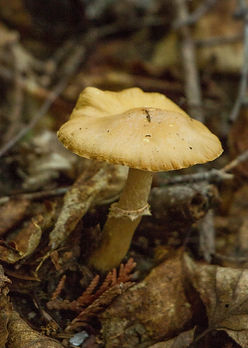
On wet years there and many different mushrooms and toadstools to be found.




Other Wildlife
This page goes from the largest mammal in the world to some of the smallest creatures we can see - there is beauty in all!
Blue Whales - they are in the St Lawrence every year, but not seen everyday. On this trip we were lucky to have 2 swim right past us.
Humpback Whales often show their tails when diving, individuals are identified by the white patches on the tail. Their faces are often covered in barnacles - see the bumps...


Minke - these smaller whales are seen almost daily in the bay. This one was rolling around so we can see his belly.
Mule Deer - this is a rare sight - the only one I have ever seen in Tadoussac.
Another rare sighting was the Snowshoe Hare - he is changing from winter white to the summer brown in this picture... note how big the back feet are.


A nuisance for most of us are the Red Squirrels, they are everywhere, including in our attics! This one was moving her babies from a tree to under our house!
Squirrels are a nuisance but everyone loves the Chipmunks. The one on the right is storing up for winter!
114